Nuclear and Plasma Membrane Repair by Annexins

We investigate how cells respond to membrane damage and how annexins contribute to membrane remodeling and repair. Our approach connects live-cell observations with controlled experiments in model membranes.
Using localized thermoplasmonic damage and fluorescence microscopy, we follow the recruitment of repair-associated proteins to membrane lesions. Complementary vesicle experiments allow us to examine how protein binding and membrane shape influence the response to injury.
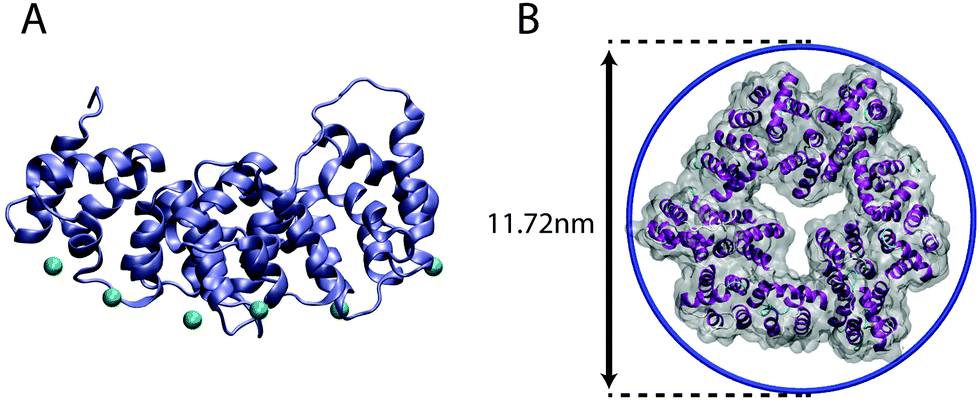
A particular interest is how annexins, including annexin A4 and annexin A5, interact with curved membranes and contribute to the physical processes involved in repair.
Together with collaborators, we are extending localized membrane-perturbation approaches to investigate nuclear-envelope damage and the cellular response. This work links membrane mechanics with the maintenance of cellular and nuclear integrity.
- JOVE (2024), Danielsen et al.
- Nanoscale (2022), Moreno-Pescador et al.
- Soft Matter (2021), Florentsen et al.
- J. of Biological Chemistry (2021), Heitmann et al.
- Cells (2020), Bendix et al.